
We operate in a large environment
Recognized for its strategic nature and its contribution to the development of a robust value chain, Neomat reflects the strategic ambition of Orano and XTC New Energy to jointly develop a competitive value chain in materials and recycling for the European electric vehicle industry, at the heart of the Battery Valley in the Hauts-de-France region.
Neomat opened offices in Dunkirk in spring 2024, pending the construction of its factories on a 50-hectare site (in the municipalities of Loon-Plage and Gravelines).
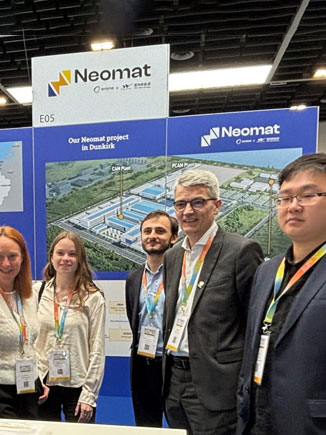
Beyond its local footprint, Neomat aims to integrate fully into its ecosystem by building lasting relationships at national, European and international levels.
Our strength lies first and primarily in our teams!
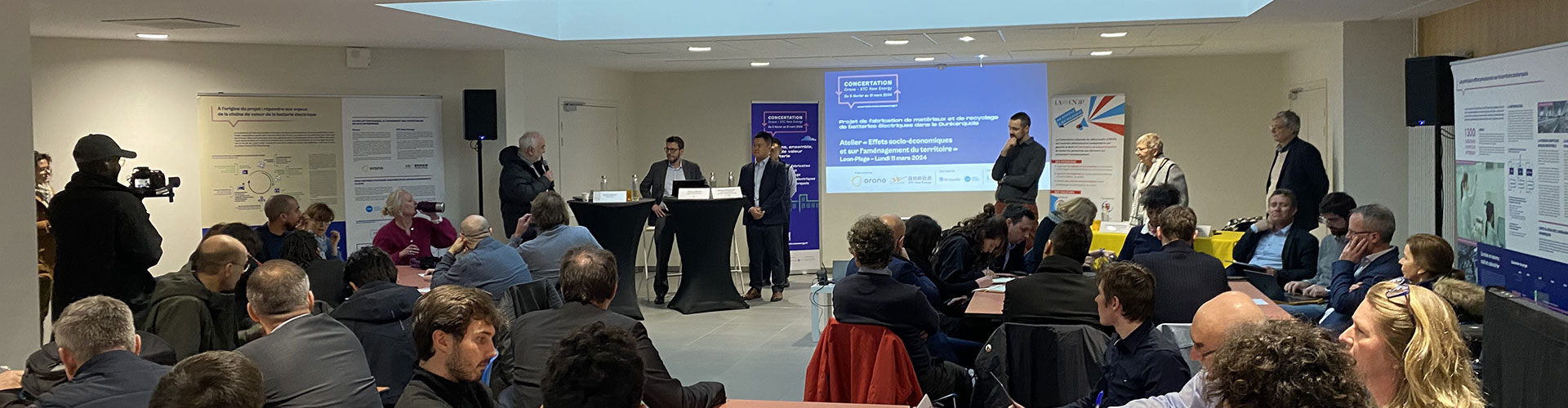
Our integration into a dynamic region, Hauts-de-France
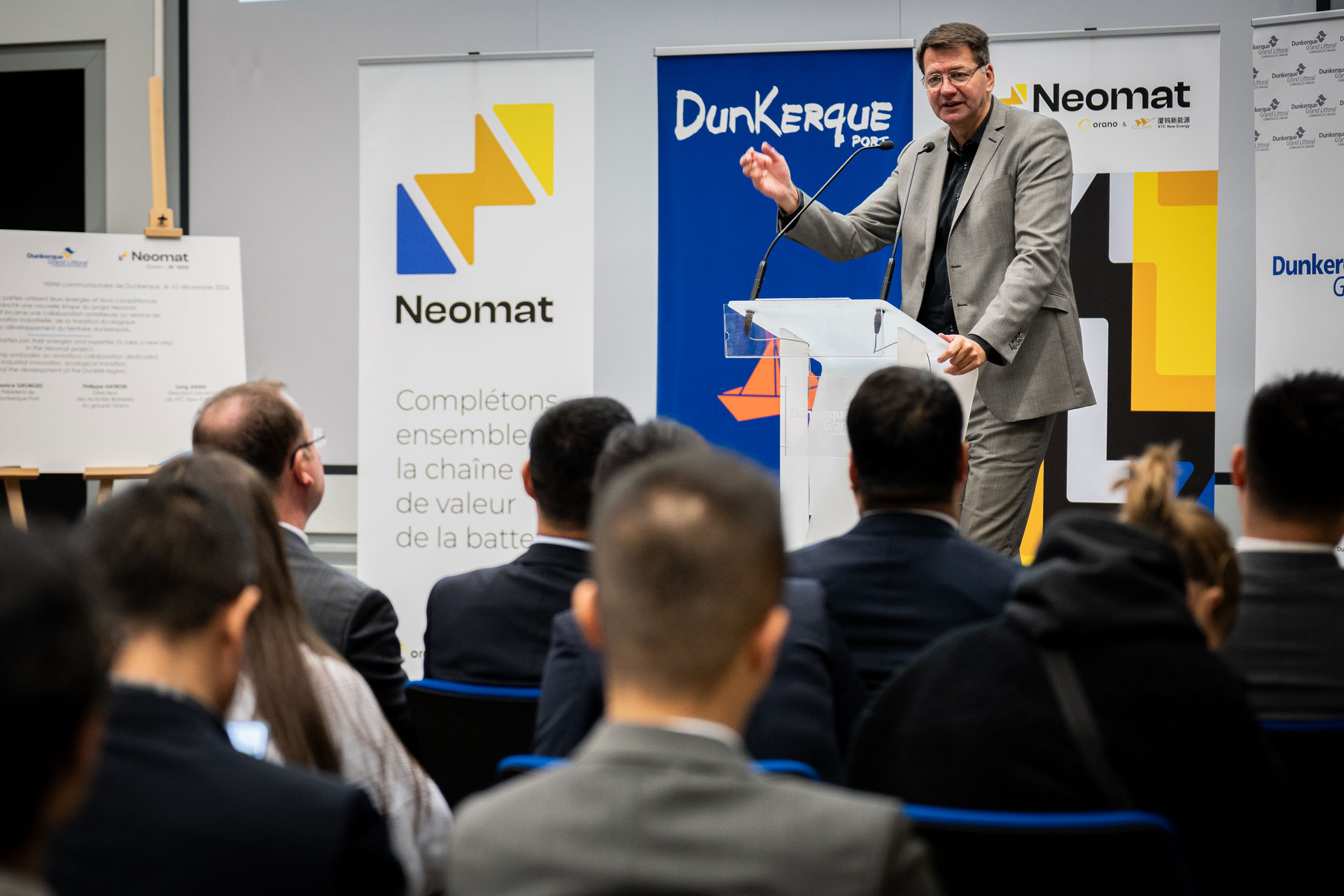
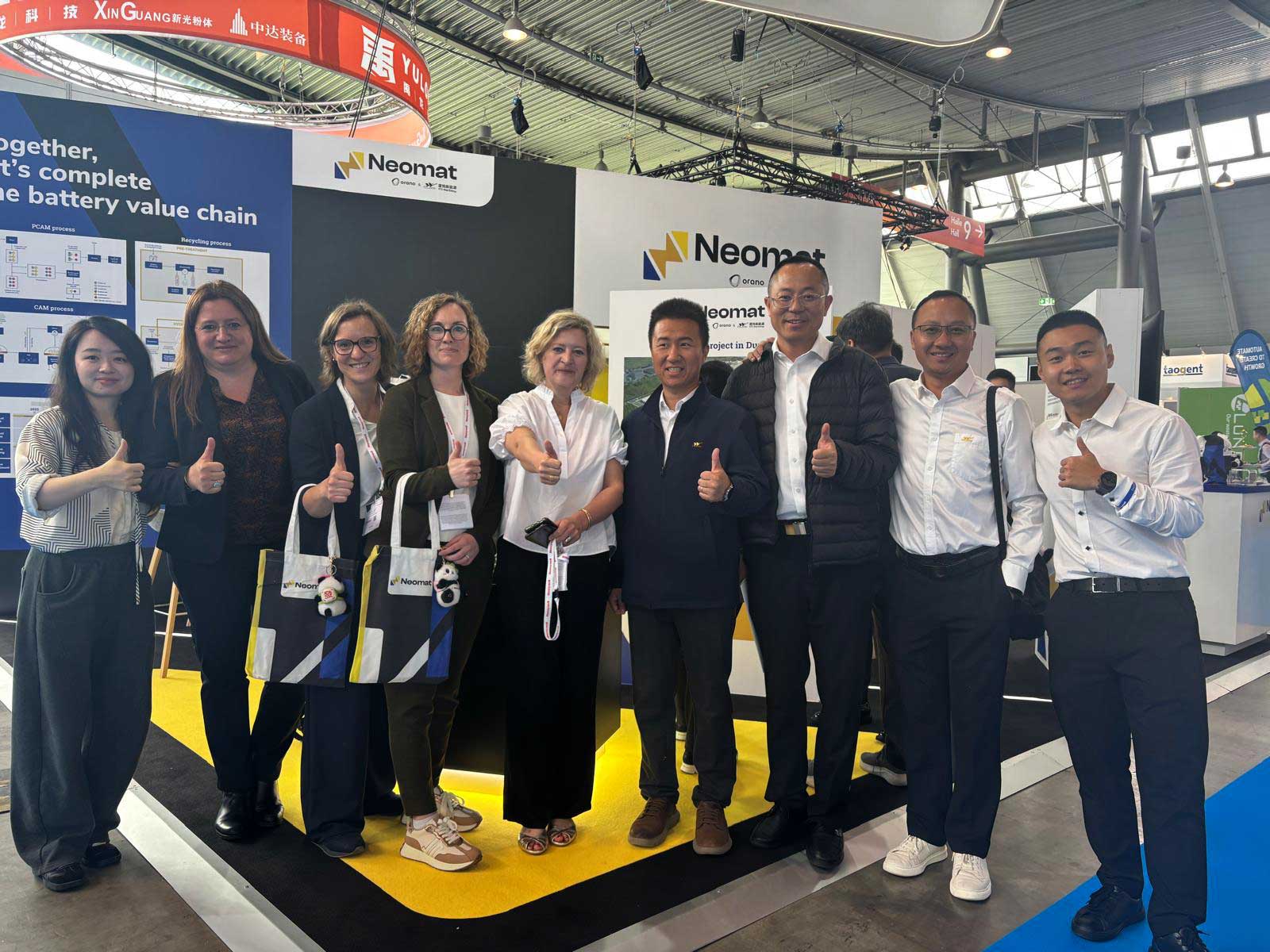
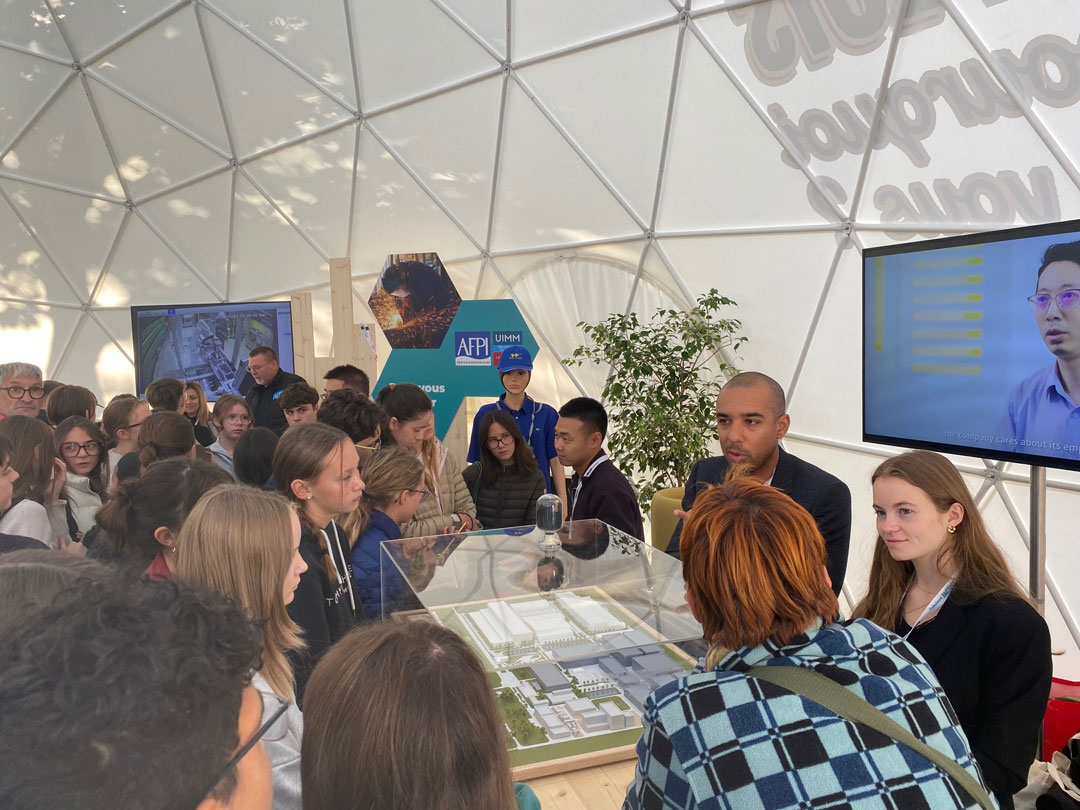
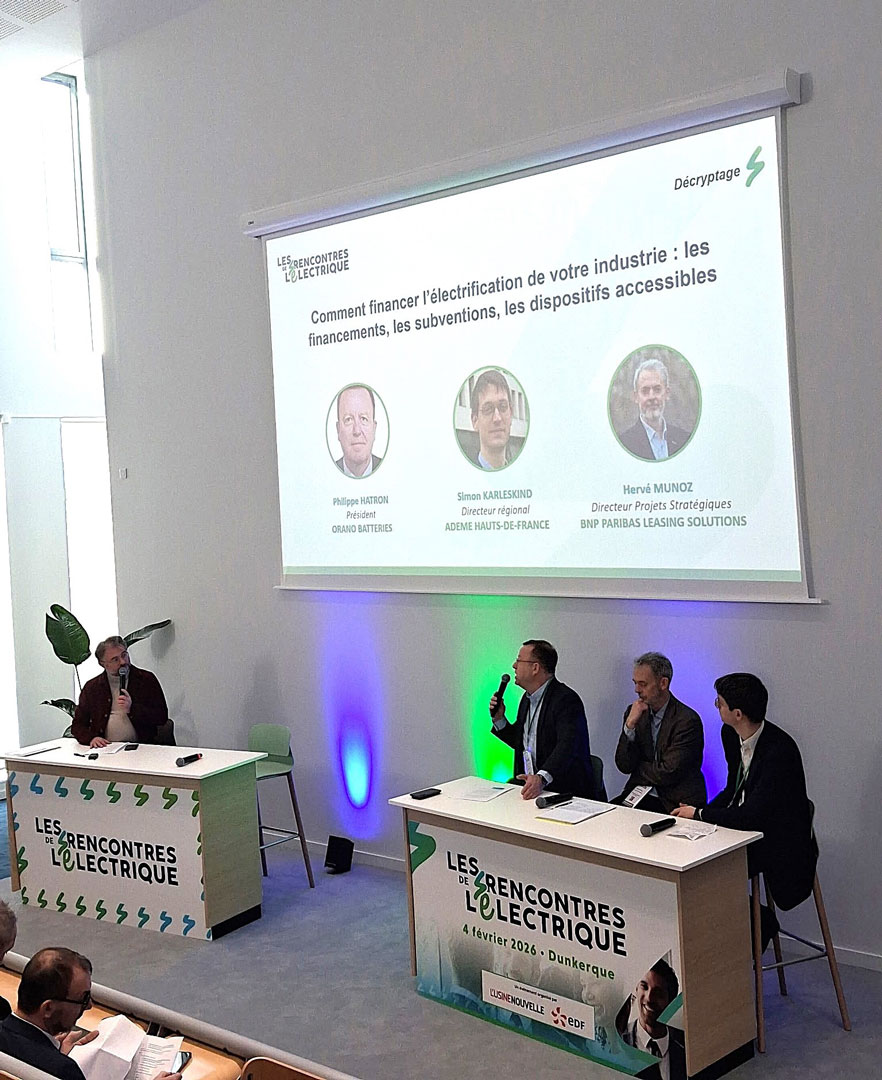
Neomat is expected to eventually employ 1,300 people at its industrial site in Dunkirk. As an industrial player, Neomat participates in numerous events organized by various institutions and associations in the region and maintains strong ties with the Dunkirk ecosystem (Dunkirk Urban Community, Grand Port Maritime de Dunkerque, Ecosystème D, town halls, departments, Hauts-de-France region, schools and universities, Ecopal, Medef, Aria, training centres, etc.).
Our customers and prospects
The manufacture of cathode active materials (CAM) is a key step in the battery value chain. Our ambition is to offer our customers cutting-edge technologies for the production of NMC battery materials, local sourcing solutions for the electric vehicle value chain, and robust research and testing capabilities to develop the materials of tomorrow.
Located close to French gigafactories, the recycling plant will enable us to effectively meet our customers' recycling needs, both for battery production waste and end-of-life batteries.
With its extensive experience in the processing of strategic materials, Orano has developed an innovative process for safely recovering and purifying strategic materials in accordance with European regulations, with a view to reusing them in new battery components.
Our partnerships and consortiums
In the electric vehicle battery sector, Orano and XTC New Energy have developed research and development partnerships and participate in consortiums to contribute to the emergence of a battery industry in Europe.

Partnership with CEA Liten
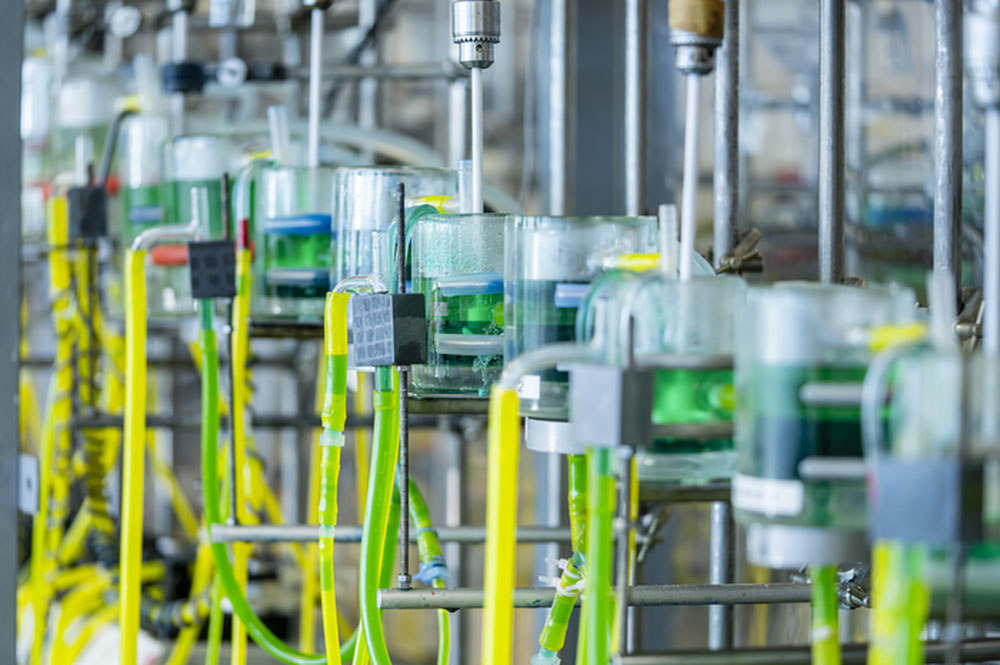
In terms of R&D, Orano is already engaged in structured cooperation with CEA on the development of pilot projects. This partnership enables collaborative research on topics of strategic interest, ensures effective coordination of resources and accelerates the development of innovative processes that will form the basis of the future European value chain for critical raw materials for batteries.
Beyond this partnership, collaboration with academic institutions, research and technology organizations and industry is equally essential. The Neomat project, for example, is receiving funding to advance research in the field of batteries through several projects.
Recyvabat Project
In 2020, Orano joined forces with recognized partners to master the entire value chain through the Recyvabat consortium (Paprec Group, MTB Manufacturing, Saft, CEA Liten). This consortium, which received subsidies from France Relance and the Nouvelle-Aquitaine region, enabled the launch of an industrial pilot project dedicated to battery recycling, installed at the Centre d'Innovation en Métallurgie Extractive (CIME) at the Orano Bessines-sur-Gartempe site.
More information: Orano and its industrial partners launch a pilot project for the recycling of electric vehicle batteries.
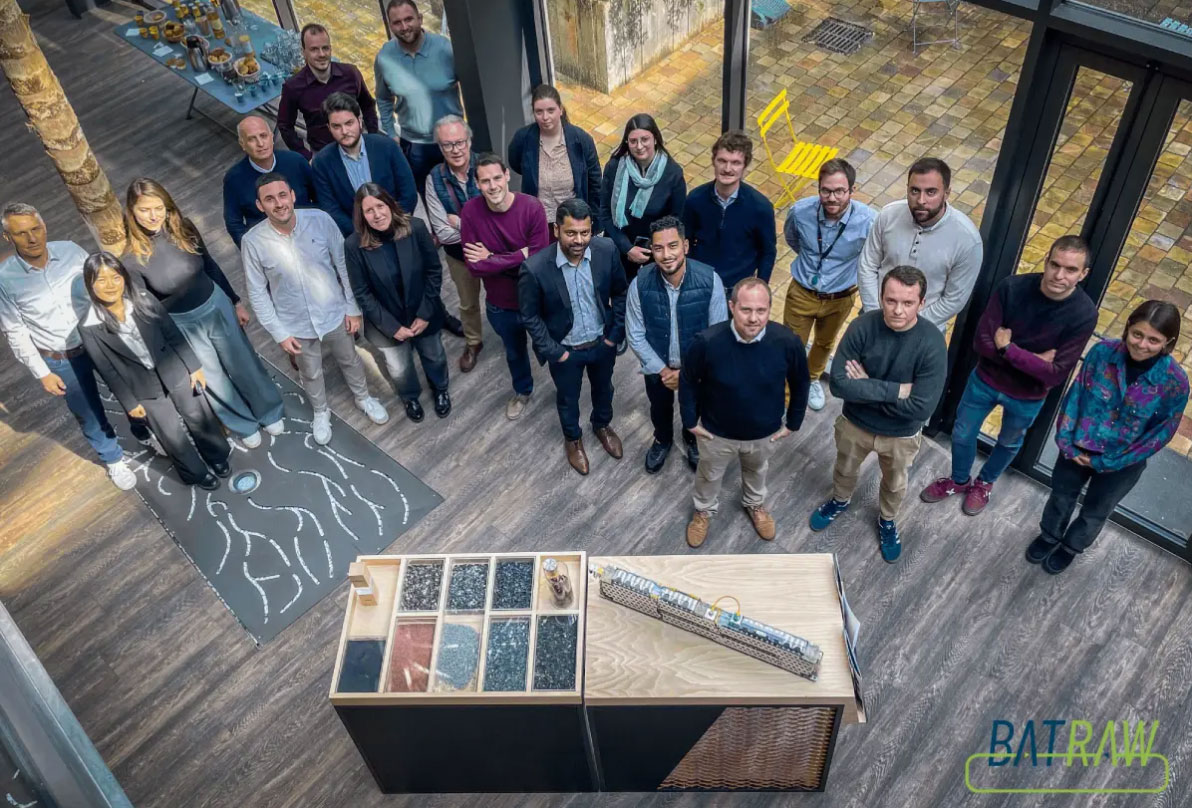
Batraw Project
Batteries play a crucial role in tomorrow's energy innovations, as they are highly sought after in the fields of renewable energy and mobile energy sources. As the European battery market grows, innovation is needed to achieve a circular economy. The EU-funded Batraw project aims to deliver the necessary innovation by researching and developing different technologies and methodologies to improve battery recycling. The project aims to recycle up to 98% of battery components, establish safer and more efficient recycling processes, and improve the management of recycled materials and value chains. Achieving these objectives will enable the project to contribute to a sustainable battery market and reduce the environmental impact of battery production and disposal.
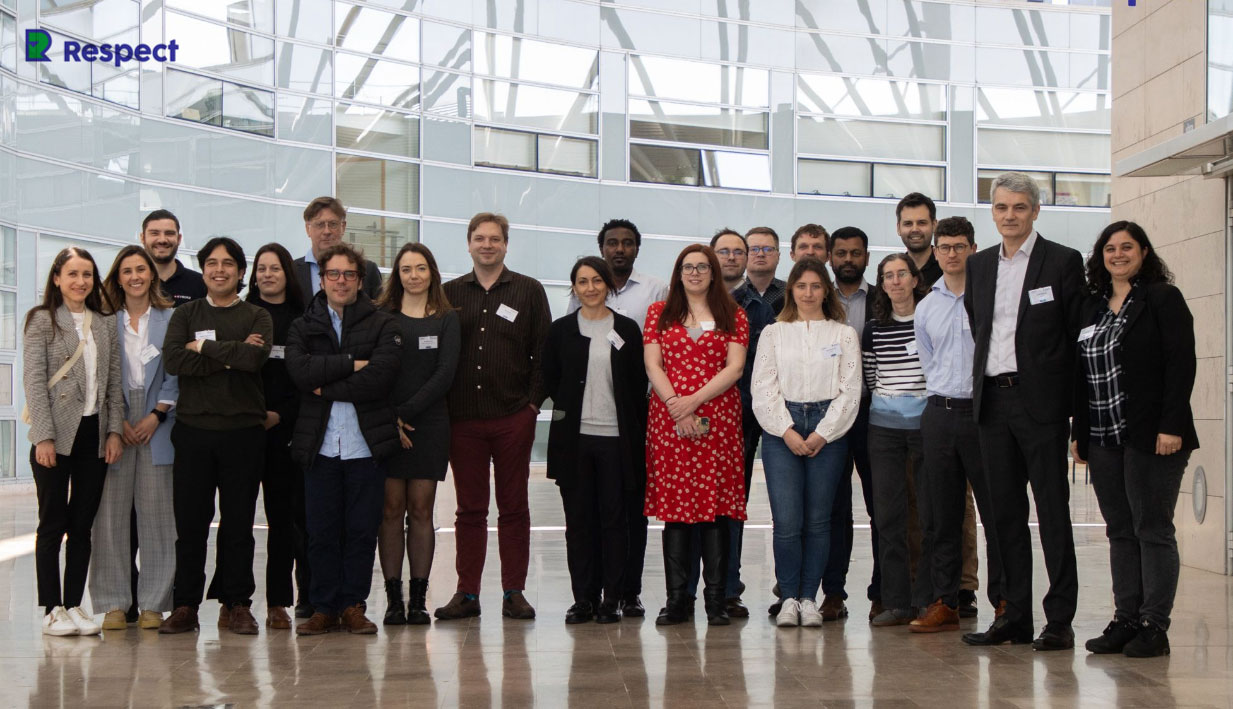
Respect Consortium
Under the right conditions, batteries will play a decisive role in mitigating the effects of climate change. Lithium-ion (Li-ion) batteries, capable of storing wind, solar and electrical energy, are essential for accelerating the decarbonisation of transport and integrating renewable energies into electricity grids. In this context, the EU-funded Respect project will develop a comprehensive process that incorporates a sufficiently flexible process chain to handle all types of closed-loop batteries. In particular, it will address two recycling options, full hydrometallurgy and direct recycling, and will conduct a better life cycle assessment of each recycling segment. Respect will also ensure the sharing of knowledge on environmentally friendly Li-ion battery recycling processes through the involvement of stakeholders and international experts.
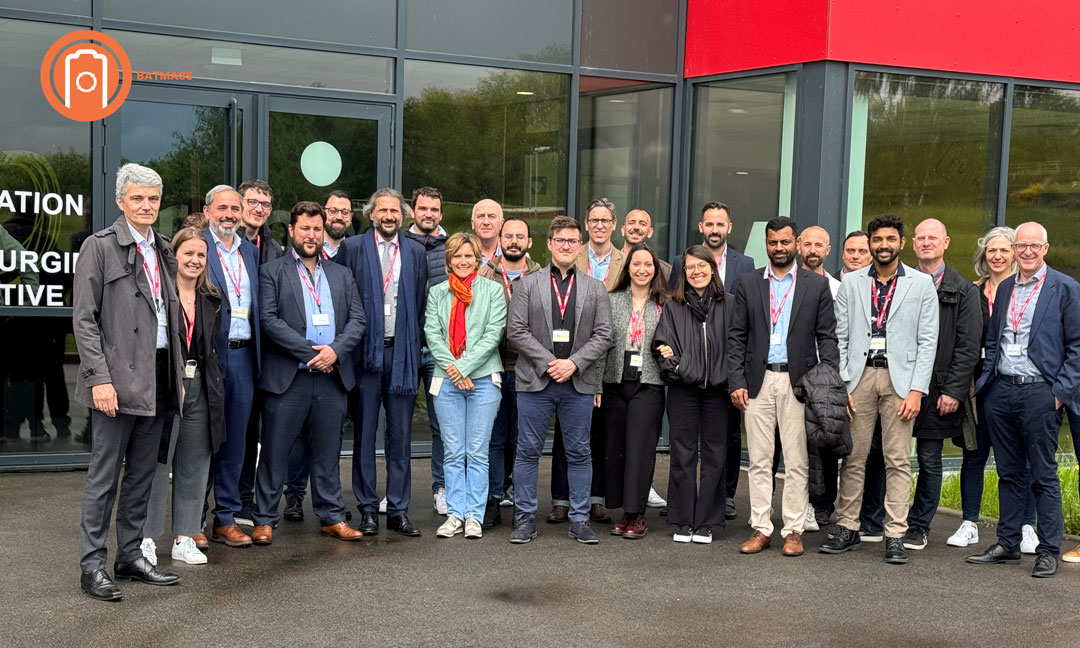
Batmass Project
Batmass aims to develop a large-scale portfolio of interregional circular innovations designed to transform by-products into high-quality materials for batteries. The project will draw on the pooling of leading expertise along an integrated chain of interregional demonstrators (‘demonstration pilots’) and aims to become a pan-European initiative promoting cutting-edge technologies that foster battery circularity.
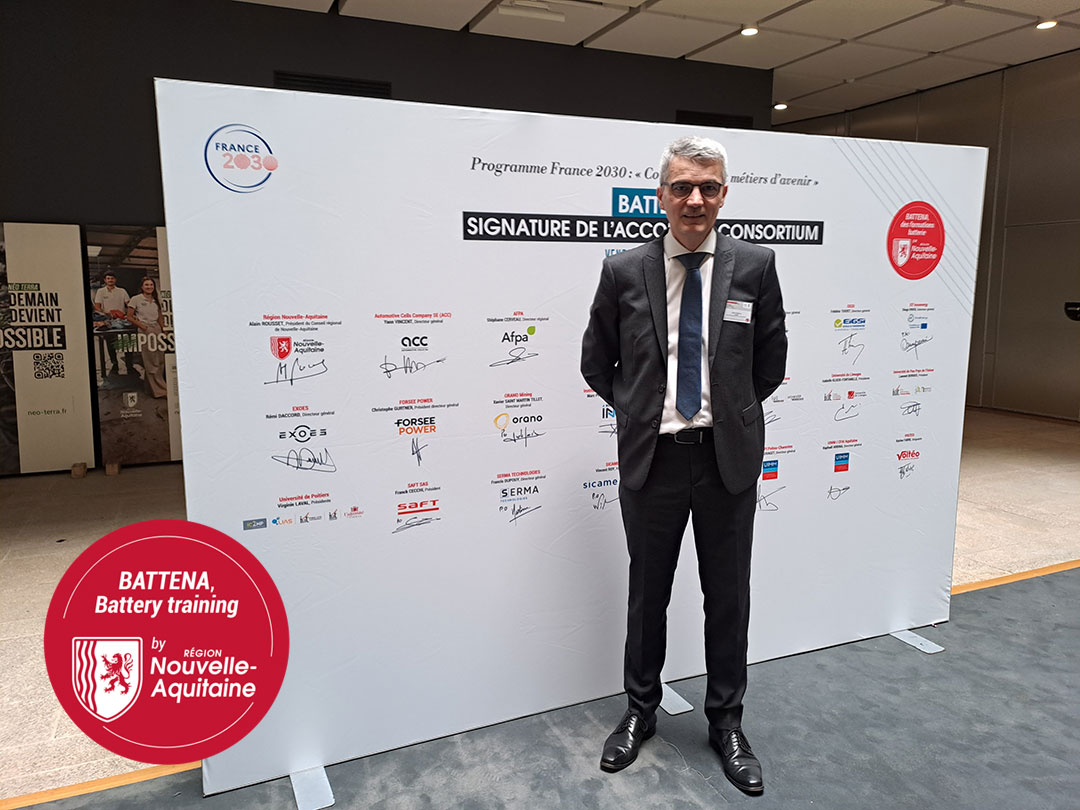
Battena Consortium
Established in April 2024, Battena – which stands for Battery Training in the Nouvelle-Aquitaine region – is a programme supported by the French government as part of the France 2030 Programme's ‘Skills and Jobs of the Future’ call for expressions of interest. It aims to anticipate and meet the employment and skills needs of companies in the battery sector and to accelerate the implementation of dedicated training courses in the Nouvelle-Aquitaine region. Orano, which has two industrial battery recycling pilot projects at its Bessines-sur-Gartempe site (Nouvelle-Aquitaine), is part of this consortium.
Support from French and European authorities
The support provided by European, national and regional authorities for the Neomat project, led by Orano and XTC New Energy, confirms the strength and credibility of our industrial ambition.
The REC2pCAM project, winner of the Innovation Fund
On 3 November 2025, winner of the Innovation Fund's 2024 call for projects, the REC2pCAM project, led by Orano Batteries and the NEOMAT pCAM joint venture, aims to develop a process for producing PCAM (lithium-ion battery components) at the Dunkirk site.
The Neomat CAM project, recognized as a ‘strategic project’ by the European Union
On 10 October 2025, the Neomat CAM project was awarded the ‘strategic project’ label, in accordance with Regulation 2024/1735 Net-Zero Industry Act (NZIA). ‘This project is key to reducing the European Union's industrial dependence in the field of battery technologies and facilitating the implementation of a circular economy,’ according to Thomas Courbe, Director General of Enterprises at the Ministry of Economy, Finance and Industrial and Digital Sovereignty.
Orano's hydrometallurgy project recognized as a ‘strategic project’ by the European Union
On 25 March 2025, Orano's hydrometallurgy project, which involves recycling electric vehicle battery components, was awarded the ‘strategic project’ label in accordance with Regulation 2024/1252 CRM Act, alongside 46 other European industrial projects. Six projects concern battery recycling: Orano is the only project recognized as such in France.